 Skip to content
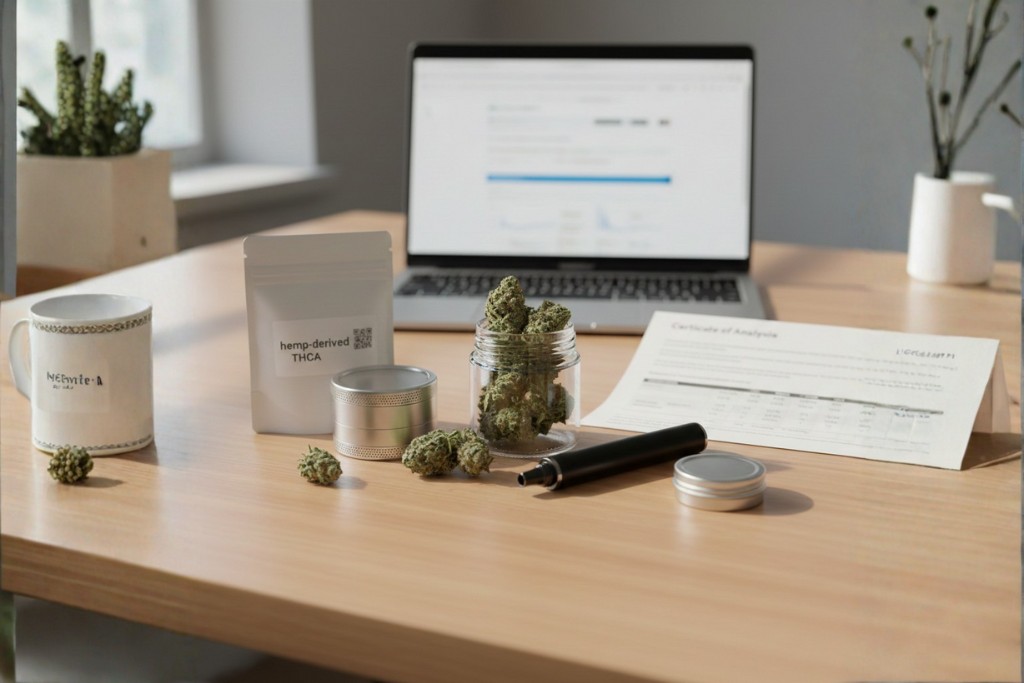
Imagine holding a cannabis flower so frosty that it appears to be rolled in diamond dust. Those glistening crystals are not just for show; rather, they represent the raw, potent essence of the plant waiting to be unlocked. This is the world of THCA weed, a term that has dominated the cannabis market and sparked intense curiosity across the United States. For enthusiasts in Washington DC and beyond, understanding this unique cannabinoid is the key to unlocking a premium cannabis experience.
While traditional marijuana flower has held the spotlight for decades, THCA flower is rapidly reshaping the landscape. It offers a bridge between legal compliance and the potent effects connoisseur’s desire. Whether you are a seasoned smoker looking for top-tier genetics or a curious newcomer exploring the benefits of raw cannabis, this guide provides the most up-to-date insights, research data, and practical advice for 2025.
Understanding THCA Weed: The Acidic Precursor to Your Experience
To truly appreciate the power of the plant, you must first understand the science behind it. THCA weed is not a different species of plant; instead, it refers to cannabis flower that is harvested and cured to preserve high levels of Tetrahydrocannabinolic Acid (THCA) while keeping Delta-9 THC levels low. Consequently, this preservation allows the flower to remain federally compliant while holding massive potential energy.
What is THCA (Tetrahydrocannabinolic Acid)?
Tetrahydrocannabinolic Acid, or THCA, is the most abundant non-psychoactive cannabinoid found in fresh, raw cannabis plants. As the cannabis plant grows, it produces Cannabigerolic Acid (CBGA), often called the “mother of all cannabinoids.” Through complex enzymatic processes, CBGA converts into THCA. Unlike its famous cousin Delta-9 THC, THCA does not bind well to the CB1 receptors in the brain. As a result, consuming it in its raw form will not produce a high, which is a critical distinction for users seeking specific benefits.
The Chemical Distinction: THCA Weed vs. Delta-9 THC
The difference between a non-intoxicating compound and a potent psychoactive one often comes down to a single molecular group. Specifically, THCA possesses a carboxyl ring (COOH) attached to its molecular chain. This extra group makes the molecule larger and heavier, effectively preventing it from fitting into the brain’s receptors.
- THCA: Non-psychoactive, acidic form, existing in the raw state.
- Delta-9 THC: Psychoactive, neutral form, existing in the heated state.
This chemical distinction is crucial for both legality and consumption. Until that carboxyl group is removed, the potential energy of the plant remains stored, much like a battery waiting to be used. Therefore, understanding this chemistry helps clarify why THCA vs. Delta-9 is legally distinct yet chemically similar to marijuana.
Decarboxylation: How Heat Transforms THCA Weed
The magic happens through a process called decarboxylation. When you apply heat to THCA weed—whether through smoking, vaping, or cooking—you trigger a rapid chemical reaction. The heat causes the THCA molecule to vibrate intensely, eventually shaking off that extra carboxyl group in the form of carbon dioxide (CO2).
Once this conversion occurs, the molecule instantly becomes Delta-9 THC. Therefore, the flower you buy effectively becomes potent marijuana the moment you light it up. This transformation is highly efficient; approximately 87.7% of the THCA converts into pure Delta-9 THC, delivering the classic psychoactive effects users anticipate.
The Presence of THCA in Raw Cannabis Flower and Hemp
In reality, almost all high-quality cannabis flower is effectively THCA weed. If you were to test a fresh plant from a medical marijuana grow room, you would find it contains mostly THCA and very little Delta-9 THC. Over time, heat, light, and oxygen naturally degrade THCA into Delta-9, but cultivators aim to harvest at peak ripeness to preserve the cannabinoid profile. Whether classified as marijuana or hemp, the primary cannabinoid in the raw plant material is overwhelmingly THCA.
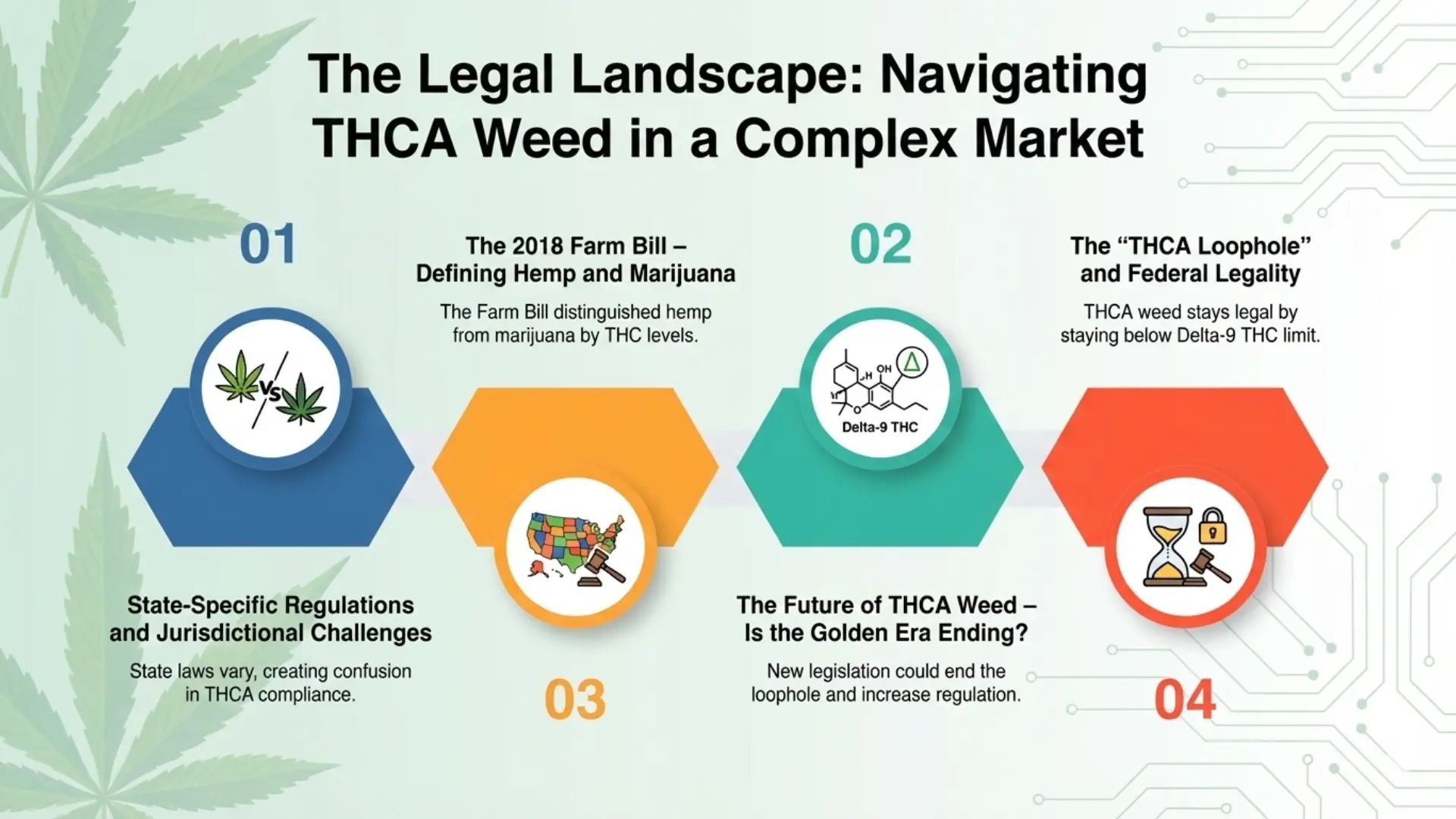
The Legal Landscape: Navigating THCA Weed in a Complex Market
The rise of this product is largely a story of legal definitions and legislative loopholes. Navigating this space requires staying informed, especially with the rapidly shifting regulations in 2025 regarding THCA weed.
The 2018 Farm Bill: Defining Hemp and Federally Compliant Cannabinoids
The Agriculture Improvement Act of 2018, commonly known as the 2018 Farm Bill, fundamentally changed the cannabis industry. It distinguished “hemp” from “marijuana” based on a single metric: the concentration of Delta-9 THC.
- Hemp: Cannabis with less than 0.3% Delta-9 THC on a dry weight basis.
- Marijuana: Cannabis with more than 0.3% Delta-9 THC.
Crucially, the bill remained silent on THCA levels in harvested flower for a long time. This legislative silence created the foundation for the booming market we see today.
The “THCA Loophole”: Why THCA Weed is Federally Legal (For Now)
Because the Farm Bill’s definition specifically targeted Delta-9 THC, cultivators realized they could legally grow and sell cannabis with high THCA levels as long as the Delta-9 content remained below the 0.3% threshold. This is often referred to as the “THCA loophole.” Consequently, consumers in restricted states gained access to flower that looks, smells, and acts exactly like traditional cannabis. For all intents and purposes, THCA weed acts as real cannabis; it simply fits through a specific legal window at the time of laboratory testing.
State-Specific Regulations and the Evolving Jurisdictional Challenges
While federal law opened the door, individual states have scrambled to close it. Jurisdiction varies wildly across the map. Some states have embraced the hemp definition fully, while others have implemented “Total THC” rules. These rules calculate the legal limit by combining Delta-9 THC and the potential conversion of THCA.
In Washington DC, the landscape is unique due to Initiative 71, which allows for the possession and gifting of cannabis. However, for federally compliant businesses, the distinction remains vital. Dispensaries like Highthere navigate these complex waters to ensure they provide safe, high-quality products to their community.
Understanding “Total THC” and its Implications for Compliance
“Total THC” is the standard that threatens the open market. If federal or state regulators strictly enforce a Total THC limit of 0.3% on finished hemp products, most THCA weed would immediately be classified as marijuana. Recently, different states have moved to enforce this calculation more rigorously. For consumers, this means the Certificate of Analysis (COA) is more important than ever. You need to know if the product you are buying is compliant with your local laws to avoid legal definitions involving controlled substances.
Is the Golden Era of THCA Weed Coming to an End?
We are currently at a pivotal moment. Recent legislative moves in late 2025 suggest that the federal government is looking to close the Farm Bill loophole. New amendments are being discussed that could mandate Total THC testing for all hemp-derived products.
- Current Status: The market is vibrant, but uncertainty looms.
- Future Prediction: We may see a transition where these products become more regulated or restricted to licensed dispensaries.
Despite this uncertainty, the demand is undeniable. The secret is out, and consumers now understand that THCA is simply the natural form of THC.
The THCA Weed Experience: What to Expect
When you purchase high-quality THCA weed, you are investing in a premium sensory experience. The effects, flavors, and aromas are identical to top-shelf marijuana because, chemically, they are the same plant.
Consumption Methods: Smoking, Vaping, and Pre-Rolls
The method you choose determines the intensity of your experience.
- Smoking: Whether you use a glass pipe, bong, or roll a joint, the direct flame instantly decarboxylates the THCA. Consequently, this is the most efficient way to experience the psychoactive effects.
- Vaping: Dry herb vaporizers heat the flower to a precise temperature. This releases the cannabinoids and terpenes without burning the plant material, offering a cleaner taste.
- Pre-Rolls: For convenience, many users opt for a pre-roll. These ready-to-smoke joints are perfect for immediate enjoyment without the need for grinding or rolling.
The Unlocked Potential: Experiencing Psychoactive Effects When Heated
Once heated, the effects of THCA weed are indistinguishable from traditional cannabis. Users report feelings of euphoria, relaxation, creativity, and altered sensory perception. The intensity depends largely on the strain’s potency and your personal tolerance. Because THCA percentages can reach into the high 20s or even 30s, this flower is incredibly potent.
Potency and Intensity: How THCA Weed Compares to Traditional Flower
A common misconception is that hemp-derived flower is “diet weed” or weaker than “real weed.” This is categorically false. In fact, many THCA strains test higher in cannabinoid content than the average marijuana found in older dispensaries.
- Average THC: 18% – 24%
- High Potency THCA: 25% – 30%+
Because the curing process for THCA flower is often meticulous to prevent premature degradation into Delta-9, the resulting product is often fresher and more flavorful.
Beyond the High: Exploring the Full Spectrum of Effects
The cannabis experience is not just about getting high; moreover, it is about the connection between mind and body.
- Mind: Sativa-dominant strains often spark creativity, focus, and energy. They are popular for social gatherings or artistic endeavors.
- Body: Indica-dominant strains usually provide deep physical relaxation, often referred to as “couch-lock.” These are ideal for evening use to unwind after a long day.
The Role of Terpenes: Aromas, Flavors, and the Entourage Effect
Potency is only half the story. The true character of the flower comes from terpenes, the aromatic compounds responsible for the scent and flavor. For instance, Myrcene provides earthy notes and promotes relaxation, while Limonene offers citrusy scents that elevate mood. These terpenes interact with cannabinoids in a phenomenon known as the “entourage effect,” thereby enhancing and modifying the overall impact of the plant.
Detailed Strain Analysis: Understanding Genetics and Reported Effects
Selecting the right strain is an art form. Here are a few popular genetic profiles often found in the market:
- Pineapple Express: A legendary sativa-hybrid known for its tropical funk and energetic buzz.
- Jokerz Candy: An indica-dominant hybrid that blends sweet, candy-like aromas with a relaxing, euphoric drift.
- Ice Cream Cookies: A dessert strain offering creamy flavor profiles and sedative effects.
- Super Lemon Cherry Gelato: A modern exotic strain known for its complex terpene profile and balanced hybrid effects.
Exploring Raw THCA Weed: Benefits Without the High
Interestingly, you do not have to heat the flower to benefit from it. In fact, there is a growing movement focused on consuming raw cannabis.
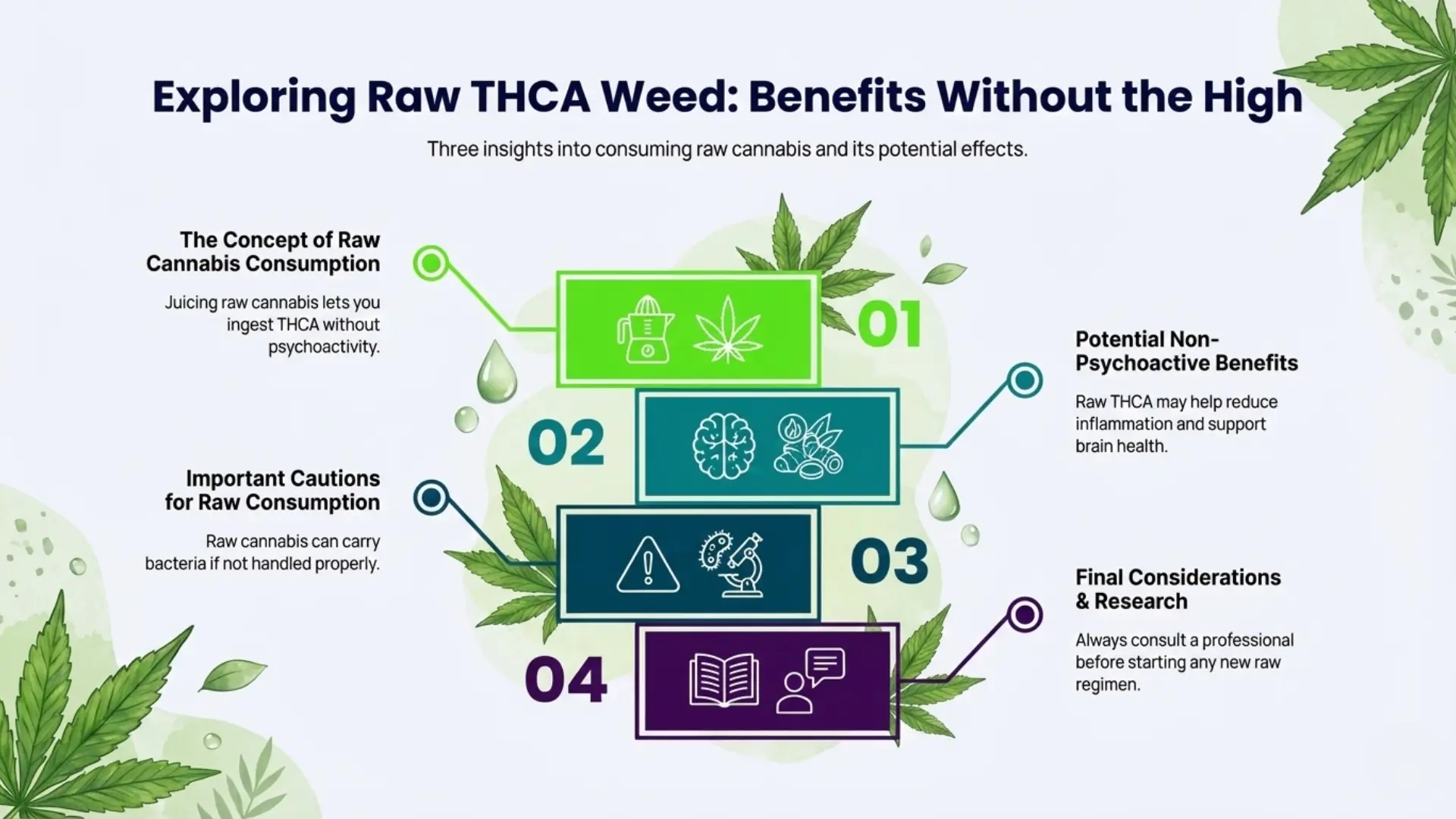
The Concept of Raw Cannabis Consumption
Juicing raw cannabis leaves and buds is becoming a popular health trend. By consuming the plant fresh, you ingest the cannabinoids in their acidic form without triggering psychoactivity. Therefore, this allows users to consume much larger doses of cannabinoids than would be possible if they were heated.
Potential Non-Psychoactive Benefits of Raw Consumption
Research into raw THCA is still developing; however, preliminary studies and anecdotal evidence suggest several properties. It may help reduce inflammation in the body and has the potential to support brain health. Furthermore, it may help reduce nausea and appetite loss. These benefits make raw consumption an attractive option for medical patients who want relief without the intoxication that interferes with daily tasks.
Important Cautions and Disclaimers for Raw Consumption
While beneficial, raw consumption comes with risks. Raw plants can carry bacteria like Salmonella or E. coli if not grown and handled under strict sanitary conditions. Therefore, always ensure you are sourcing your raw material from a reputable cultivator who tests for pathogens.
THCA Products: Beyond the Flower
The market has evolved far beyond simple buds. Today, you can find THCA in various isolated and concentrated forms.
| Product Type | Primary Use | Psychoactive Effect | Popular Trend |
|---|---|---|---|
| THCA Flower | Smoking, Vaping | High (after heating) | Exotic Indoor Genetics |
| THCA Diamonds | Dabbing | Very High | Sauce & Live Resin Blends |
| THCA Vapes | Portable Vaping | High | Liquid Diamonds, Disposables |
| Raw Cannabis | Juicing, Tinctures | None (Non-intoxicating) | Health & Wellness Smoothies |
THCA Concentrates: Diamonds, Crumble, and Live Resin
For those seeking high potency, concentrates are the pinnacle. THCA Diamonds are crystalline structures of nearly 99% pure THCA, often soaked in “terp sauce” for flavor. When dabbed, they provide an incredibly powerful experience. Additionally, THCA Crumble offers a wax-like consistency that is easy to handle, while Live Resin preserves the maximum amount of terpenes by freezing the plant immediately after harvest.
THCA Vapes: Disposable Vapes and Vape Liquid
Vapes offer discretion and ease of use. A disposable vape is a pre-filled device that is ready to go out of the box. These products often contain diamonds melted down into a liquid form, sometimes blended with live resin terpenes for an authentic taste. Consequently, they are perfect for on-the-go consumption in Washington DC.
THCA Edibles: Gummies and Tinctures
Edibles are a bit of a misnomer in this category. If you eat raw THCA, you won’t get high. However, many products labeled as “THCA Gummies” are formulated to decarboxylate slightly during the manufacturing process or convert in the body. Alternatively, true tinctures can be made with raw THCA for therapeutic use. Always check the label to see if the product is intended for psychoactive or wellness purposes.
The Versatility of Hemp-Derived Products
From flavored rolling papers to delta-8 gummies and vape liquid, the hemp-derived market is vast. THCA acts as the flagship; however, it is supported by a fleet of other cannabinoids like Delta-8 and CBD, offering a customizable experience for every user.
Navigating the Market: How to Choose Quality THCA Weed
With the market flooding with options, quality control is paramount. Not all “hemp” is created equal, and safety should be your top priority.
The Importance of Third-Party Lab Testing and Certificates of Analysis (COAs)
Legitimate brands will always provide a Certificate of Analysis (COA) from a third-party laboratory. This document is your guarantee of safety and legality. Furthermore, it proves that the product is federally compliant and safe to consume.
What to Look For on a COA
When reading a COA, pay attention to these four areas:
- Potency: Verify the THCA percentage matches the label.
- Purity: Ensure there are no solvents left over from extraction.
- Pesticides: The product should be free of harmful agricultural chemicals.
- Heavy Metals: Cannabis is a bioaccumulator; consequently, it sucks up metals from the soil. Testing ensures lead, mercury, and arsenic are absent.
Identifying Reputable Cultivators and Brands with Premium Genetics
Look for brands that are transparent about their farming practices. Indoor cultivation generally produces higher quality, more terpene-rich buds compared to outdoor hemp. Furthermore, brands that emphasize premium Genetics and small-batch cultivation are usually the best bet.
Red Flags: Dangers of Unregulated Products and Contamination Issues
Avoid products that have no QR code linking to a COA or those with old, illegible lab results. Additionally, be wary of suspiciously low prices, as good weed isn’t cheap. Finally, trust your senses; avoid anything with chemical smells or harsh smoke.
Purchasing THCA Weed: A Consumer’s Guide
If you are in the United States, specifically in the Washington DC area, you have distinct options for acquiring these products.
Where to Buy: Online Retailers vs. Local Dispensaries
While you can order online, visiting a local dispensary like Highthere in Washington DC offers distinct advantages. Visual inspection allows you to see the trichomes and smell the aroma before buying. Moreover, expert budtenders can guide you through the selection based on your needs.
Highthere prides itself on curating a collection of the finest flower available, ensuring that DC residents have access to safe, verified products.
Pricing Trends for THCA Weed in the US and DC
Price is a major factor for any consumer. In 2025, the national average price for this flower has seen a decline of nearly 35% due to market saturation, with ounces often selling online for around $150 to $200. However, in regulatory hubs and metropolitan areas like Washington DC, prices for premium, indoor-grown exotics remain higher.
At a premium shop in DC, you can expect to pay between $40 and $70 for an eighth (3.5g) of top-tier product. This premium reflects the higher cost of doing business in the city, the superior quality of small-batch indoor genetics, and the assurance of safety compliance.
Online Purchasing: Shipping, Discreet Packaging, and Customer Satisfaction Guarantees
If you do choose to order online, look for companies offering free shipping and discreet shipping (often in smell-proof bags). Additionally, customer satisfaction policies are a good indicator of a reputable vendor. If a company stands behind its product with a satisfaction guarantee, it is a sign they trust their quality.
Customer Reviews and Support: Ensuring a Positive Experience
Always read customer reviews. Look for feedback on the cure of the flower, the speed of delivery, and the responsiveness of support. A dispensary like Highthere focuses heavily on community trust, ensuring every user feels heard and valued.
Common Questions and Responsible Use of THCA Weed
As this product becomes mainstream, questions naturally arise regarding safety, drug testing, and responsible use.
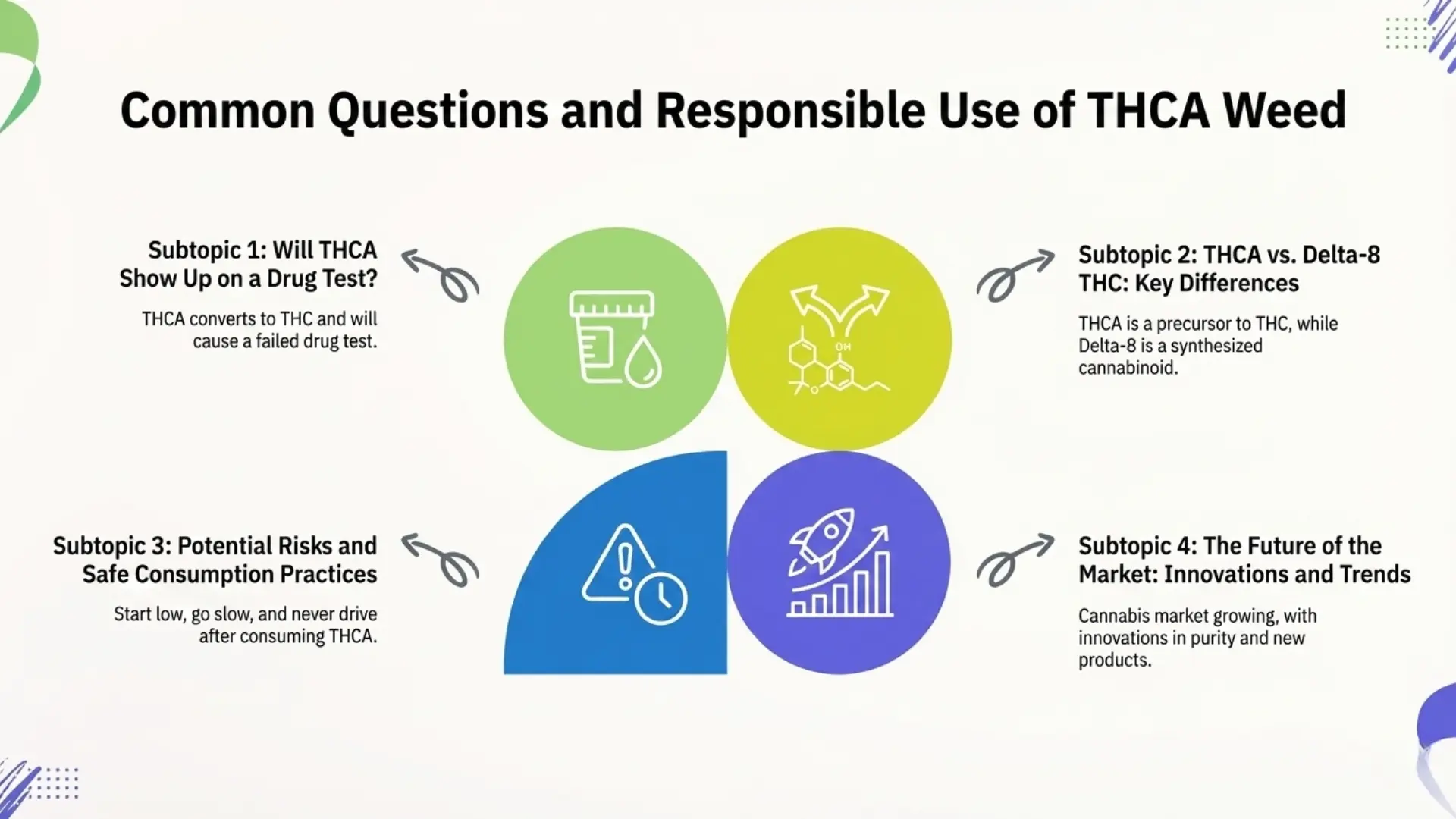
Will THCA Show Up on a Drug Test?
Yes. This is the most critical piece of advice for consumers. Standard drug tests look for the metabolite THC-COOH. Because THCA converts to THC (and subsequently THC-COOH) in your body, consuming THCA flower, vapes, or edibles will cause you to fail a drug test. Do not assume that because it is “hemp-derived” it is safe for testing purposes.
THCA vs. Delta-8 THC: Understanding the Key Differences
THCA is a natural precursor found in the live plant that converts to Delta-9 THC, which provides a stronger, classic high. In contrast, Delta-8 THC is a minor cannabinoid usually synthesized from CBD. It is about 50-70% as potent as Delta-9 and is often described as “diet weed” or a lighter, more clear-headed buzz.
Potential Risks and Safe Consumption Practices
Responsible use is key. Start low and go slow, as THCA flower can be extremely potent. Furthermore, avoid driving, as it converts to psychoactive THC; never drive or operate machinery after consumption. Finally, proper storage is essential; keep your flower in a cool, dark place to preserve the terpenes and prevent degradation.
The Future of the Market: Innovations and Emerging Trends
The cannabis market is projected to exceed $100 billion globally by 2030. We are seeing innovations in cryo-cured flower and water-soluble powders. Moreover, the industry is moving toward higher purity and more specific effect-based marketing.
Conclusion: The Evolving Role of THCA Weed
THCA weed represents a fascinating evolution in the cannabis industry. It challenges our legal definitions, educates consumers on the science of the plant, and provides high-quality, potent medicine to millions. Whether you are looking for the therapeutic benefits of raw cannabis or the intense psychoactive experience of diamonds, this molecule offers something for everyone.
As the legal landscape shifts in late 2025 and beyond, access to these products may change. However, for now, residents of Washington DC have the unique privilege of accessing some of the world’s best cannabis through trusted local sources like Highthere. Explore the selection, respect the potency, and enjoy the full potential of the cannabis plant.
Frequently Asked Questions (FAQs)
1. Is it legal to possess THCA weed in Washington DC right now?
Yes, possessing THCA weed is generally considered legal in Washington DC under current regulations. DC operates under Initiative 71, which allows for possession, and the federal Farm Bill still legally defines hemp-derived products with <0.3% Delta-9 THC as hemp. Therefore, you can purchase and buy these products, but you should always buy from a compliant dispensary like Highthere to ensure the product meets all legal metrics.
2. How long does the high from THCA flower last compared to regular marijuana?
The duration of effects is virtually identical. Because THCA converts into Delta-9 THC when smoked, the biological interaction is the same. Typically, the peak effects last for 1 to 3 hours, depending on your metabolism and tolerance levels. However, residual relaxation can last significantly longer, especially with indica-dominant strains.
3. Can I get THCA weed delivered to my hotel or residence in DC?
Yes, delivery is a convenient option in the District. Highthere offers delivery services for their range of products. You simply need to verify your age and location through their website. This is often preferred by tourists and residents alike who want discreet and safe access to premium cannabis without visiting a physical storefront.
Experience Premium THCA in DC
Ready to elevate your journey? Visit Highthere today to explore our curated collection of top-tier THCA weed. Whether you need fast delivery or expert in-store advice, we are here to serve the Washington DC community with the highest quality compliant cannabis.