
THC Tablets: Clinical Dosing, Onset Science & DC Delivery Guide
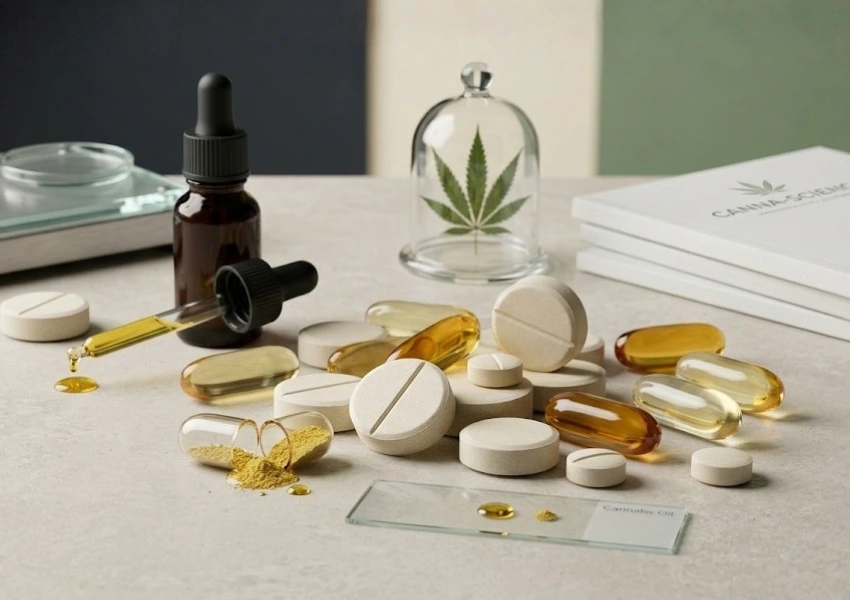
Modern cannabis consumers are increasingly turning to THC tablets as an exact, smoke-free alternative to traditional inhalation and sugary confectionery edibles. Specifically, these solid oral products allow consumers to swallow calibrated milligrams of active cannabinoids without inhaling heated vapors or consuming artificial sweeteners. Furthermore, pharmaceutical advancements now allow processors to isolate cannabinoids into stable dry-compressed pills and encapsulated softgels. As a result, the pill form of thc has established itself as a reliable staple for both wellness seekers and recreational buyers.
Why Consumers Choose Oral Formulations
Many adults prefer solid oral options because they prioritize respiratory health and long-term wellness. Although smoking dried flower remains popular, combustion exposes lung tissue to unwanted tars and thermal irritation. Consequently, health-conscious buyers frequently substitute raw flower for orally administered cannabis tablets. In addition, many individuals wish to avoid the high sugar content, pectin, and animal gelatin found in traditional gummies. For these consumers, swallowing a clean, flavorless pill provides a seamless way to incorporate cannabinoids into an existing supplement routine.
The Growing Demand for Consistent Dosing
Another major benefit of pharmaceutical-grade cannabis tablets is their exceptional dosing reliability. For example, inhaled hits can vary significantly based on breath duration, heating temperature, and inhalation depth. In contrast, a manufactured tablet delivers an exact, laboratory-verified milligram count in every single serving. Therefore, users can reliably predict their physiological response without unexpected potency spikes. In the sections below, we will explore:
- The digestive and hepatic mechanics that govern oral cannabinoid absorption.
- The primary differences between compressed dry pills and oil-filled thc capsules.
- Standardized titration tiers, ranging from daytime microdoses to high-potency formulations.
- How to legally buy lab-tested tablets online for courier delivery across Washington, DC.
Pharmacology and Absorption of Cannabis Tablets
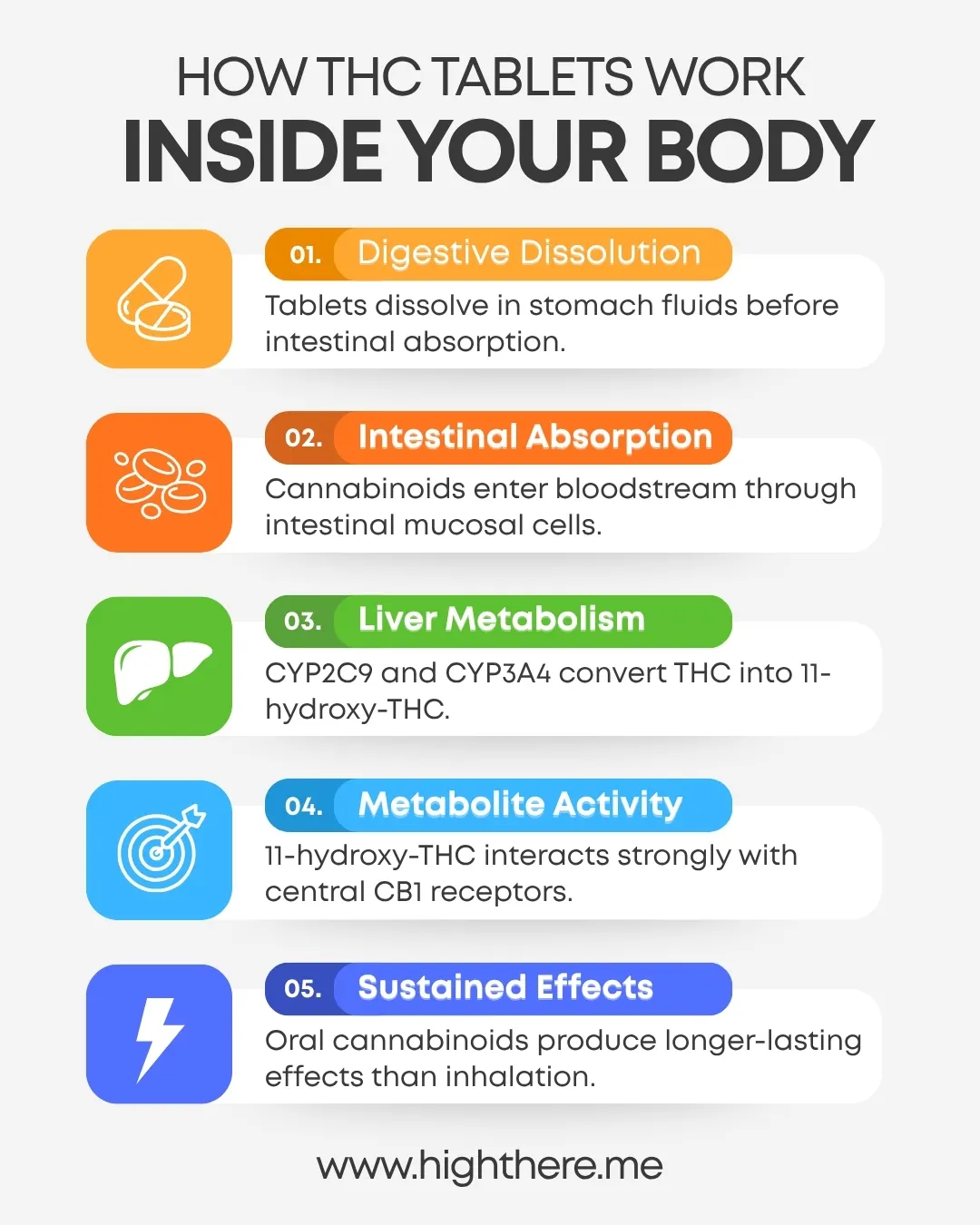
Understanding how THC tablets function requires an examination of gastrointestinal digestion and liver enzyme pharmacology. When a consumer inhales aerosolized cannabinoids from vaporizer hardware, compounds cross the lung alveoli directly into arterial blood within seconds. However, swallowed tablets follow a far more intricate metabolic journey through the digestive tract.
Gastrointestinal Transit and First-Pass Liver Metabolism
After swallowing, a tablet dissolves in stomach fluids before moving directly into the small intestine. Next, the active cannabinoids absorb through enteric mucosal cells and enter the hepatic portal vein. Inside the liver, microsomal cytochrome P450 enzymes—specifically the CYP2C9 and CYP3A4 pathways—metabolize Delta-9-THC into 11-hydroxy-THC.
As detailed in clinical literature from the NCBI StatPearls cannabinoid review, 11-hydroxy-THC exhibits significantly higher binding affinity at central CB1 receptors than the parent molecule. Consequently, oral ingestion produces a noticeably heavier, more sustained somatic sensation throughout the body.
Oral Bioavailability Versus Pulmonary Inhalation
Because phytocannabinoids are highly lipophilic, baseline absorption during gastrointestinal transit generally ranges between 4% and 12%. However, co-ingesting a tablet with healthy dietary fats encourages natural bile acid secretion and micellar transport, which markedly improves absorption. Ultimately, while pulmonary inhalation delivers rapid onset, oral ingestion creates a sustained reservoir of active metabolites that circulate for many hours.
| Administration Format | Primary Metabolic Path | Typical Duration |
|---|---|---|
| Compressed Oral Tablet | Hepatic CYP2C9 / 11-OH-THC | 6–8 hours |
| Liquid Lipid Softgel | Micellar Enteric Absorption | 6–8+ hours |
| Sublingual Buccal Tablet | Direct Oral Capillary Uptake | 3–5 hours |
| Pulmonary Inhalation | Direct Alveolar Diffusion | 2–3 hours |
Solid Formulation Profiles: Cannabis Tablets vs. THC Capsules
Cannabis processors produce solid oral products in several distinct formats, each tailored to specific lifestyle preferences and therapeutic requirements. Knowing these mechanical distinctions helps shoppers select the right product from a thc tablets dispensary menu.
Dry-Compressed Powder Tablets and Scored Splitting
Dry-compressed tablets are manufactured using precision tableting presses that blend refined extracts with pharmaceutical excipients like microcrystalline cellulose. Brands like LEVEL Protab utilize this process to produce uniform, chalk-like tablets with center score marks.
Because of this physical score line, consumers can snap a tablet cleanly in half to customize their dose. Furthermore, compressed tablets contain no animal gelatin, zero sugar, and no artificial flavorings, making them exceptionally clean and shelf-stable.
Lipid-Filled Softgel THC Capsules and RSO
In contrast, encapsulated thc capsules enclose liquid cannabinoid extracts suspended in carrier oils like medium-chain triglyceride (MCT) coconut oil. Many processors utilize full-spectrum extracts or Rick Simpson Oil (RSO) inside these softgels to deliver a comprehensive spectrum of native plant compounds.
Because the cannabinoids are pre-dissolved in healthy fats, these softgels facilitate efficient intestinal uptake. However, softgels cannot be split in half, so buyers must choose their preferred milligram potency before purchasing.
Fast-Acting Sublingual Drops and Mucosal Absorption
Unlike standard swallowed pills, sublingual micro-tablets (such as 1906 Drops) are engineered to dissolve directly under the tongue or against the cheek. Consequently, active cannabinoids diffuse across the oral mucosa straight into the venous system, bypassing initial liver breakdown.
This specialized delivery format produces noticeable effects in just 15 to 30 minutes, creating a lighter, more functional head experience. To compare these activated oral products with unheated raw cannabinoids, read our educational guide on THCA versus Delta-9 THC.
Decarboxylation and Activated Cannabinoid Science
Before raw plant material can produce psychoactive effects when swallowed, it must undergo thermal decarboxylation. For instance, raw cannabis contains acidic compounds, as discussed in our overview of raw THCA weed selections.
Without heat, acidic precursors cannot bind effectively to human CB1 neural receptors. In addition, evaluating the neurochemical difference between CBD and THC shows how minor non-intoxicating cannabinoids balance overall psychoactivity and smooth out physical sensations.
Comparative Guide: THC Tablets vs Gummies
When evaluating oral options, shoppers frequently compare THC tablets vs gummies to decide which format fits their daily routine. While fruit chews remain a popular dispensary choice, solid tablets provide clear practical benefits for consistent users.
Digestive Efficiency and Sugar-Free Nutrition
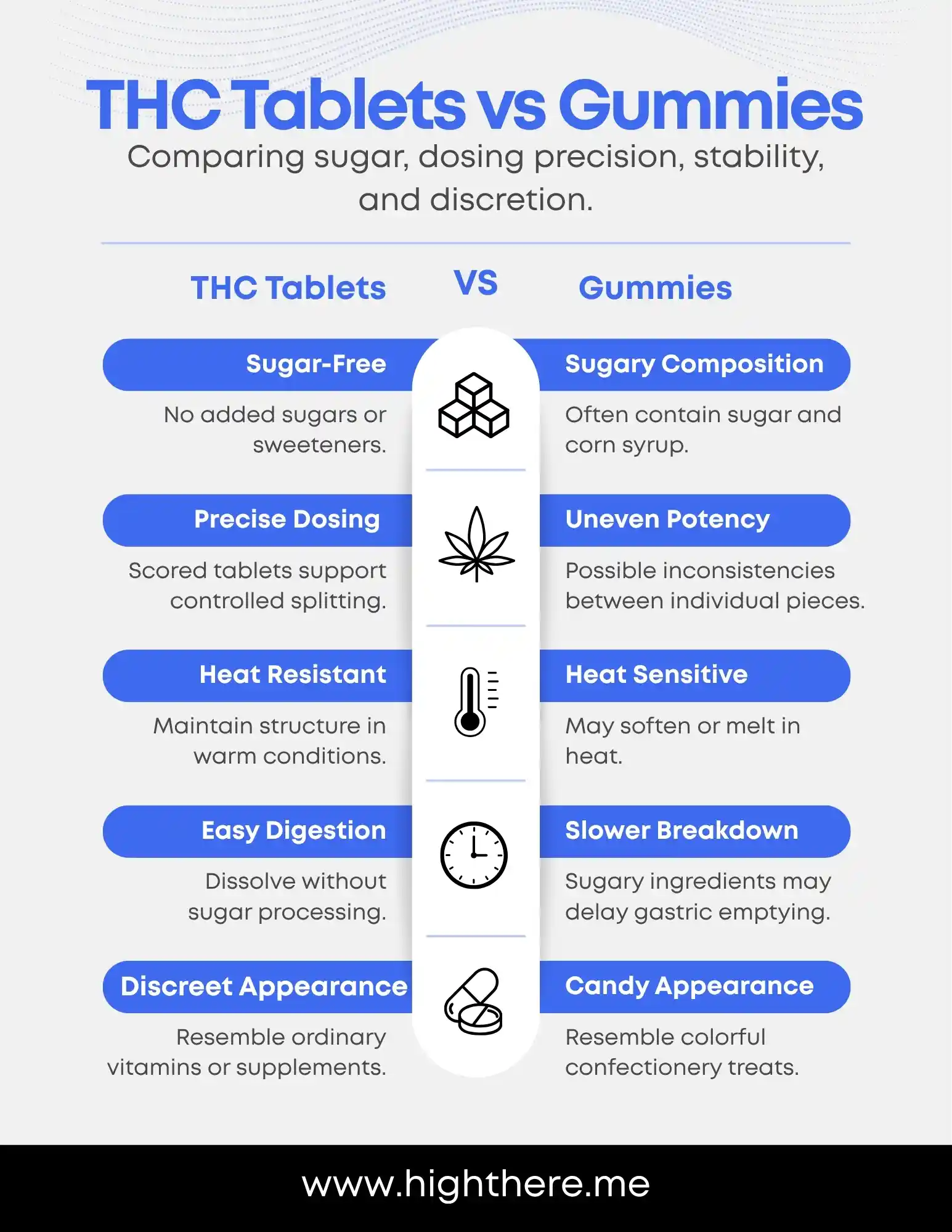
Standard confectionery gummies rely on corn syrups, sucrose, and pectin or animal gelatin to create a chewy texture. However, digesting sugary confections can delay gastric emptying, causing unpredictable onset times that occasionally exceed two hours.
In contrast, clean tablets break down rapidly in stomach acid without requiring enzymatic sugar processing. Moreover, people managing diabetes or following strict ketogenic diets can consume tablets without compromising their nutritional goals.
Dosing Calibration and Splitting Reliability
Another major difference lies in manufacturing consistency and piece-by-piece dosing precision. For example, mass-produced confectionery edibles can suffer from uneven distillate spraying during production, creating hot spots across a single package.
Conversely, compressed tablets are blended into homogeneous batches, guaranteeing uniform potency in every piece. When exploring buying edibles in Washington DC, buyers seeking precise control will find that scored tablets provide vastly superior division compared to slicing a sticky gummy.
Thermal Shelf Stability and Daily Discretion
Traditional gelatin gummies melt quickly when exposed to summer heat inside pockets, vehicles, or travel bags. On the other hand, compressed tablets remain solid and structurally intact across a wide range of temperatures.
Furthermore, taking a small tablet alongside water looks identical to swallowing an everyday vitamin. As a result, consumers enjoy complete personal privacy without drawing curiosity in professional or social settings.
Dosing Protocols: From Microdosing to Strongest THC Capsules
Because oral cannabinoids undergo hepatic transformation into potent 11-hydroxy-THC, consumers should titrate their intake thoughtfully. Following structured dosage tiers helps ensure a positive, comfortable experience.
Daytime Microdosing (1.0 mg to 2.5 mg)
A low dose between 1.0 mg and 2.5 mg is ideal for daytime stress modulation and mental focus. At this subtle tier, users experience mild physical ease without noticeable cognitive impairment or lethargy.
Therefore, working professionals often use microdose tablets to maintain productivity throughout challenging workdays. Beginners should always start at this gentle baseline before experimenting with higher potencies.
Standard Therapeutic Baseline (5.0 mg to 10 mg)
The 5.0 mg to 10 mg range represents the standard baseline serving for casual relaxation and moderate pain management. Within this tier, consumers notice pleasant physical warmth, gentle mood elevation, and reduced musculoskeletal tension.
Additionally, taking a 5 mg or 10 mg tablet an hour before bed can significantly ease evening sleep onset. Wait at least two full hours before considering a second dose.
Elevated Dosing with THC Tablets 25mg
Experienced consumers often choose THC tablets 25mg when they have developed tolerance or require deep relief from chronic physical discomfort. A 25 mg serving delivers pronounced somatic heaviness, full-body calm, and powerful sedative effects.
Because this tier produces intense psychoactivity, novices should avoid jumping straight to 25 mg pills. Instead, use the center score line to divide the tablet into smaller, more manageable portions.
Advanced Tolerance and THC Tablets 100mg
High-potency THC tablets 100mg are designed exclusively for palliative patients, long-term medical users, and individuals with unusually high physiological tolerance. At this concentrated level, users experience profound, long-lasting sedation that can easily persist for 8 to 12 hours.
Consequently, these clinical-strength products should only be taken in a secure home setting where you can rest undisturbed. First-time users should never consume a 100 mg tablet without prior experience.
Deconstructing the THC Capsules 1000mg Package Label
A frequent point of confusion among online shoppers is seeing products labeled as THC capsules 1000mg. In licensed dispensaries, this high number almost always refers to the total cannabinoid content of the entire container, not an individual capsule.
For example, a 1,000 mg bottle typically contains 40 softgels dosed at 25 mg each, or 10 high-strength pills containing 100 mg each. Always check the Certificate of Analysis (COA) to confirm the exact milligram strength of each individual piece before consuming.
Targeted Formulations: THC Tablets for Sleep and Discomfort
Modern formulation science has progressed far beyond basic single-molecule distillates. Today, manufacturers blend primary cannabinoids with functional secondary compounds and botanical terpenes to achieve targeted wellness outcomes.
Nocturnal Rest: Synergistic THC and Cannabinol (CBN)
Consumers struggling with chronic night time restlessness frequently turn to specialized THC tablets for sleep. Cannabinol (CBN) is a naturally occurring cannabinoid that develops as THC oxidizes and matures over time.
When combined in an oral tablet, THC and CBN work synergistically to quiet mental chatter and encourage restorative sleep. For instance, products like Protab Lights Out blend 10 mg of THC with 6 mg of CBN to support deep, uninterrupted rest without the groggy hangover linked to pharmaceutical sleep aids.
Somatic Discomfort: Balanced THC Capsules for Pain
For persistent joint stiffness and muscular soreness, balanced thc capsules for pain offer reliable relief. Specifically, pairing equal ratios of THC and CBD creates a therapeutic entourage effect across both central CB1 and peripheral CB2 receptors.
While THC dampens pain perception in the brain, CBD reduces localized inflammation throughout bodily tissues. If you want to learn more about sourcing specialized ratios, our guide on where to buy THCA products explains common dispensary offerings.
Daytime Energy: Uplifting THC, CBG, and THCV Blends
While many people associate cannabis pills with evening relaxation, certain blends are specifically formulated to boost daytime energy and mental clarity. By combining low doses of THC with cannabigerol (CBG) and tetrahydrocannabivarin (THCV), formulators create an uplifting, coffee-like experience.
In fact, CBG supports cognitive focus, while THCV helps suppress appetite and prevents midday brain fog. These specialty drops are popular among students, creatives, and busy professionals who want clean daytime support.
Safety Profiles, Drug Interactions, and THC Tablets Side Effects
Although oral tablets eliminate the lung-irritating aspects of smoking, ingesting cannabinoids carries distinct physiological side effects that require mindful attention.
Recognizing Common Side Effects of THC Pills
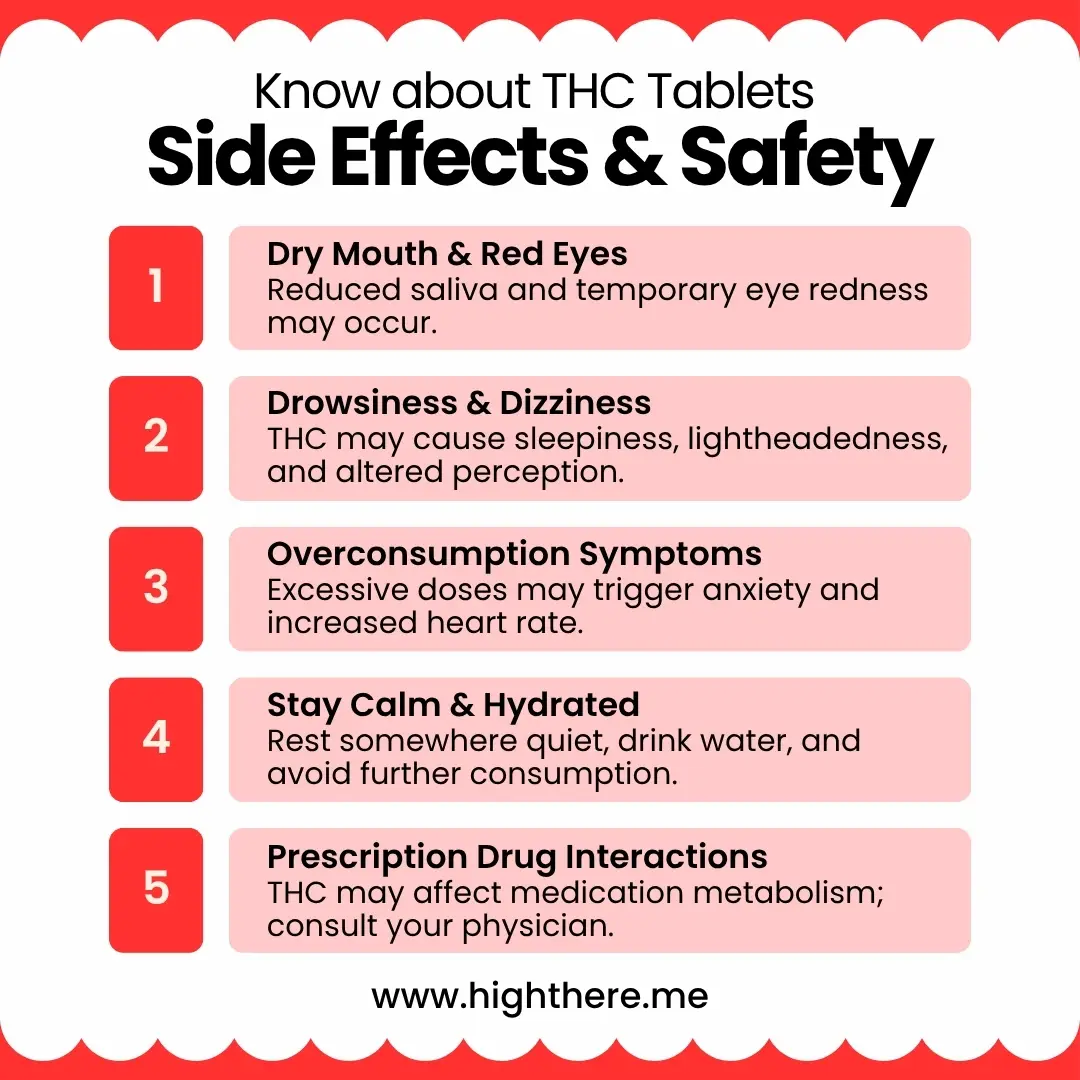
Most mild THC tablets side effects stem from temporary cannabinoid binding at salivary and autonomic receptor sites. Typical side effects include:
- Xerostomia (dry mouth caused by reduced salivary flow).
- Drowsiness, heavy eyelids, and general physical relaxation.
- Conjunctival injection (temporary redness in the eyes).
- Mild dizziness, lightheadedness, or altered time perception.
However, taking an excessive dose can trigger situational anxiety, elevated heart rate (tachycardia), and disorientation. If this happens, remember that cannabis intoxication is temporary and completely self-limiting.
Overconsumption Mitigation and Grounding Steps
If you accidentally take more than your tolerance can handle, stay calm and take deliberate steps to ease your discomfort. First, move to a quiet, dimly lit room and lie down comfortably.
Second, drink cool water or electrolyte fluids to stay well hydrated. Third, consider taking a dose of pure CBD, which can help moderate CB1 receptor binding and smooth out intense psychoactive peaks. Finally, rest quietly; a few hours of sleep will allow your liver to safely clear the active metabolites.
Hepatic Cytochrome P450 Prescription Interactions
Because swallowed tablets are metabolized in the liver, they can compete with prescription medications for enzymatic breakdown. Specifically, cannabinoids temporarily inhibit hepatic CYP3A4 and CYP2C9 enzymes—the same biological pathways that process blood thinners, anticonvulsants, and common sedatives.
Consequently, combining oral cannabis pills with daily prescription drugs can alter therapeutic blood concentrations. Therefore, you should always consult a licensed physician before introducing oral cannabis tablets alongside daily prescriptions.
Washington, DC Regulatory Access: Sourcing THC Tablets Online
Purchasing cannabis legally in the District of Columbia requires an understanding of the city’s modern municipal framework. Historically, retail operations relied on the gray-market gifting system established under the Initiative 71 legal framework.
However, recent enforcement by the Alcoholic Beverage and Cannabis Administration (ABCA) has restructured the District’s market. Today, ABCA has padlocked over 100 unlicensed storefronts, directing consumers toward regulated medical dispensaries and licensed couriers.
District ABCA Enforcement and Patient Self-Certification
Under current ABCA guidelines, accessing Washington, DC’s medical cannabis system is straightforward for adult consumers. Specifically, adults aged 21 and older—including local District residents, domestic tourists, and international travellers—can self-certify as medical patients online without a doctor’s recommendation.
This streamlined process allows anyone of legal age to purchase lab-tested medical thc tablets with full consumer protections. Shoppers can also order legal THCA weed online, compare products at specialized THCA retail shops, or visit a licensed dispensary in Washington DC and other verified DC weed shops.
Local Neighbourhood Courier Logistics and Same-Day Delivery
Whether you are ordering from Dupont Circle, Adams Morgan, or Georgetown, reliable courier fulfilment is essential. Operating from our central facility at 1309 5th St NE, Washington, DC 20002, the High There home delivery hub provides prompt, temperature-controlled courier delivery across all four District quadrants:
- THC tablets near Dupont Circle: Fast, discreet delivery direct to historic brownstones and modern apartment callboxes.
- THC Pills Online in Adams Morgan: Quick fulfilment along 18th Street NW for convenient daytime microdose drops.
- THC capsules Near Georgetown: Odorless, smokeless capsules delivered to private residences along residential corridors.
- THC Tablets in Logan Circle: Smooth, scheduled delivery to busy professionals living in the 14th Street corridor.
Our dispensary operates Monday through Saturday from 9:00 AM to 10:00 PM, and Sunday from 10:00 AM to 9:00 PM. While some shoppers search for 24-hour dispensary access in DC, municipal rules require all legal storefronts to close overnight.
Ordering during regular business hours guarantees prompt same-day DC dispensary delivery. Additionally, our couriers provide fast THCA flower delivery and THCA delivered across DC from our dedicated THCA dispensary counters.
Federal Boundaries and Interstate Transportation Restrictions
Although cannabis possession and delivery are legal within private residences under District law, federal land presents unique jurisdictional boundaries. Specifically, federal authorities control approximately 20% of Washington DC, including the National Mall, Rock Creek Park, military bases, and federal office complexes.
Cannabis possession remains strictly prohibited on federal property. Consequently, delivery drivers cannot meet customers on federal parklands or inside government installations.
Furthermore, carrying cannabis across state lines into Virginia or Maryland violates federal interstate commerce laws, even though both neighboring states have legalized cannabis independently. Always consume your products responsibly within District borders.
Frequently Asked Questions (FAQs)
Q : What are THC tablets?
A : THC tablets are solid, orally administered cannabis products formulated with measured doses of cannabinoids. Specifically, these compressed pills provide an odorless, sugar-free, and smoke-free alternative to traditional confectionery edibles and inhaled flower.
Q : Are THC tablets available in pill form?
A : Yes, the pill form of thc is widely available across licensed medical dispensaries. In fact, consumers can select between dry-compressed swallowable tablets, concentrated liquid-filled softgels, and fast-acting sublingual formulations.
Q : What are the effects of THC tablets?
A : Swallowed cannabis tablets deliver full-body relaxation, sustained mood elevation, and physical stress relief. Because hepatic metabolism produces potent 11-hydroxy-THC, the resulting physical effects feel significantly deeper and last longer than inhalation.
Q : What are the side effects of THC tablets?
A : Common side effects of thc pills include dry mouth, drowsiness, red eyes, and mild dizziness. Furthermore, consuming excessive doses can occasionally trigger transient anxiety, elevated heart rate, or temporary disorientation.
Q : How long do THC tablets take to work?
A : Standard swallowable tablets typically require 45 to 90 minutes to activate after digestion. In contrast, fast-acting sublingual tablets absorb through the oral mucosa, producing noticeable systemic effects within 15 to 30 minutes.
Q : How long do THC capsules last?
A : Swallowed thc capsules generally sustain active physiological effects for six to eight hours. Consequently, this extended metabolic window makes solid oral forms ideal for overnight sleep support and sustained physical comfort.
Reliable Dispensary Access and Courier Delivery in DC
Solid-dosage THC tablets and capsules represent the future of clean, measured cannabinoid consumption. By eliminating pulmonary inhalation risks and skipping confectionery sugars, tablets give users unparalleled dosage control and complete discretion. Whether you need daytime microdose drops for focus, balanced CBD blends for physical ease, or CBN formulations for restful sleep, solid oral options deliver dependable results every time.
For qualified adults seeking lab-tested, compliant cannabis across the District, HighThere provides convenient, same-day delivery right to your door. Explore our comprehensive cannabis strain library for deeper genetic profiles, check out our ultra-pure potent liquid diamonds THC extracts, or browse the live dispensary menu to place your order with our dispatch team today. Experience the clarity, precision, and simplicity of premium solid-dosage cannabis.