 Skip to content
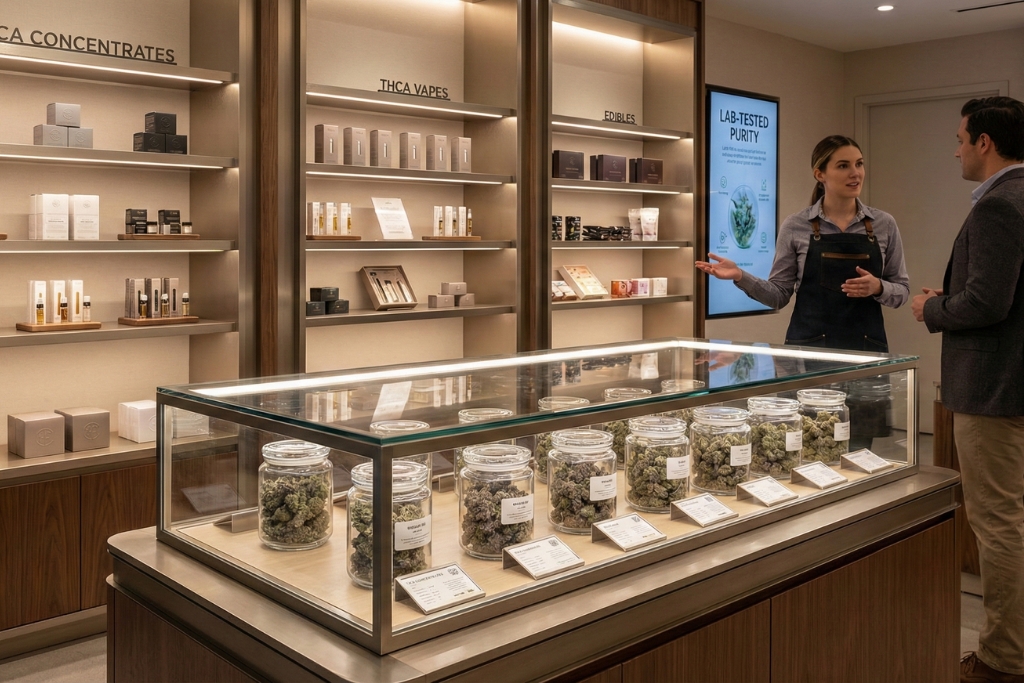
The cannabinoid landscape in the United States has changed significantly over the last few years. Specifically, it has evolved from a niche interest into a bustling, multi-billion-dollar industry. Consequently, at the forefront of this revolution are THCA companies, which have emerged as the new architects of the hemp-derived experience. For instance, for residents in Washington DC, high-potency flower is now readily available, representing more than just a legal loophole. In fact, it marks a new era of accessibility and botanical science. Because consumers increasingly seek natural alternatives for wellness, the market for Tetrahydrocannabinolic Acid (THCA) has exploded. As a result, projections estimate the global cannabinoids market will surpass $47 billion by 2025. Furthermore, this surge is driven by a sophisticated clientele that demands transparency, purity, and premium genetics rather than unregulated offerings.
Therefore, navigating this expanding marketplace requires a keen eye. The rise of THCA companies is not merely a trend; rather, it is a response to a demand for legal, potent cannabis products. Notably, these products mirror the traditional marijuana experience without the legal complexities of Delta-9 THC. Whether you are a seasoned connoisseur looking for specific terpene profiles or a newcomer curious about the buzz, understanding who these companies are is paramount. Ultimately, distinguishing reputable sources from the rest is essential for a safe experience.
Understanding THCA: The Core Product
To truly appreciate what top-tier THCA companies offer, one must first grasp the science behind the plant. Essentially, Tetrahydrocannabinolic Acid (THCA) is the non-psychoactive precursor to Delta-9 THC. Moreover, it is found abundantly in raw cannabis and the living hemp plant. THCA is the natural state of the cannabinoid before it undergoes heat or aging. In its raw form, THCA offers potential therapeutic benefits, such as anti-inflammatory and neuroprotective properties, without inducing intoxication. This distinction is crucial for both legal compliance and consumer understanding.
THCA vs. Delta-9 THC: The Decarboxylation Process
However, the magic lies in a chemical process known as decarboxylation. Unfortunately, misunderstandings often arise here. When THCA flower is exposed to heat, it changes significantly. For example, smoking, vaping, or baking causes it to lose a carboxyl group (CO2). Subsequently, it converts into psychoactive Delta-9 THC. This conversion is efficient and immediate. Therefore, purchasing premium THCA flower from a trusted dispensary like Highthere in Washington DC is unique. In essence, you are buying a product with the full potential of traditional marijuana, yet it remains in its legal, acidic form until you choose to activate it.
- Raw State: Non-intoxicating and rich in potential wellness benefits; additionally, it is federally compliant.
- Heated State: Converts to Delta-9 THC; consequently, this delivers the euphoric effects associated with cannabis.
- Preservation: Proper curing preserves the cannabinoid levels until consumption occurs.
THCA Companies Legal Framework: Hemp-Derived THCA
The legal foundation for this market rests on the Agriculture Improvement Act of 2018 (Farm Bill). Initially, this landmark legislation legalized hemp and its derivatives. However, they must contain no more than 0.3% Delta-9 THC on a dry weight basis. Since THCA is chemically distinct from Delta-9 THC, it falls under the definition of hemp-derived cannabinoids. This federal distinction allows dispensaries to legally sell dispensary-grade THCA flower. Surprisingly, these products often rival the quality of adult-use marijuana found in restrictive state markets.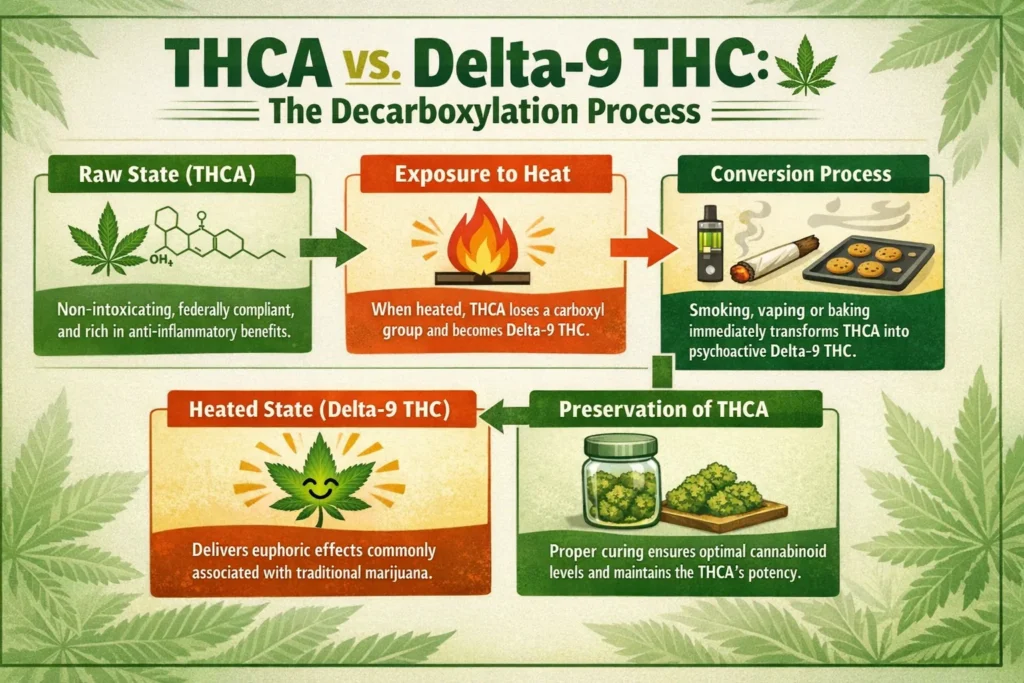
Key Factors for Evaluating Reputable THCA Companies
Currently, the market is flooded with new brands. Thus, discerning quality has become an essential skill for consumers. The best THCA companies distinguish themselves clearly. Unlike others, they do not rely solely on flashy marketing. Instead, they focus on an unwavering commitment to quality and purity. Because a premium brand understands the modern consumer, they know buyers are educated. Therefore, they scrutinize the details of cultivation practices, ensuring safety standards are a top priority.
| Consumer Criteria | Standard Market Practice | Premium THCA Companies Standard |
|---|---|---|
| Lab Testing Transparency | Potency only (Cannabinoid Profile) | Full Panel COA (Potency, Pesticides, Heavy Metals, Microbials) |
| Cultivation Method | Broadacre Outdoor / Biomass | Indoor Living Soil, Light Dep, or Small Batch |
| Product Freshness | Pre-packaged months in advance | Cold-cured, stored in glass, packed on demand |
| Customer Support | Automated bots, no physical location | Expert staff (Budtenders), Physical Dispensary Presence |
THCA Companies Transparency Through Third-Party Lab Testing
The gold standard for trust in the cannabis niche is the Certificate of Analysis (COA). Importantly, reputable THCA companies will always provide comprehensive third-party lab reports. These should be available for every batch of product. Furthermore, lab results do more than verify legal compliance; they offer a detailed map of the product’s potency and purity. When you examine a COA, look for detailed screens that confirm the absence of pesticides. Additionally, ensure there are no heavy metals or microbial contaminants. Moreover, these reports verify the cannabinoid levels, ensuring the flower matches the potency advertised. At Highthere, for example, every strain comes with transparent lab testing. This is not just a regulatory hurdle; rather, it is a strict promise of safety to the customer.
Diverse Product Offerings and Genetics
In addition to safety, a superior company curates a robust catalog. It should showcase the incredible genetic diversity of the cannabis plant. Ideally, look for a mix of classic heritage strains and modern, exotic genetics. Typically, a robust inventory includes:
- Indica Strains: These are ideal for relaxation and nighttime use. For instance, the classic Afghani Strain or the potent 818 OG.
- Sativa Strains: Conversely, these promote energy and creativity. Specifically, look for legends like Acapulco Gold Strain or Alaskan Thunderfuck Strain.
- Hybrid Strains: These offer balanced options. Notably, strains like the fruity Blue Dream Strain or the complex Gary Payton are excellent choices.
Strain Variety and Terpene Profiles in THCA Companies
Beyond simple Indica or Sativa classifications, true connoisseurs look at terpene profiles. Basically, terpenes are aromatic compounds that dictate the smell, flavor, and specific effects of the flower. As a result, top-shelf indoor-grown flower will boast rich, complex terpene-rich flavors that enhance the overall experience. Whether you prefer the sweet, berry notes of Blueberry Sugar Strain or the creamy, dessert-like aroma of Cookies And Cream Exotic Smalls THCa Flower, the terpene profile is a key indicator. Ultimately, it signifies small-batch quality and expert curing.
Exceptional Customer Service and Support in THCA Companies
Finally, the caliber of THCA companies is often reflected in customer satisfaction. Whether shopping in-person in Washington DC or browsing a THCA collection online, the level of support matters. Ideally, expert staff should be able to guide you. For example, they can explain the differences between Lemon Cherry Gelato and Sour Diesel. Additionally, they can detail the nuances of trichome coverage and effect. Meanwhile, reliable shipping partners are non-negotiable. Specifically, discreet packaging is vital for the modern hemp enthusiast to ensure products arrive fresh and secure.
Exploring the Range of THCA Products
Undoubtedly, innovation within the THCA space has led to massive product diversity. In fact, this range rivals established recreational markets like Colorado or Oregon. While raw cannabis flower remains the staple, THCA companies are continuously expanding their portfolios. Their goal is to cater to different consumption preferences.
THCA Flower: The Foundation
The bedrock of any inventory is premium THCA flower. Here, cultivation methods play a massive role. Generally, indoor buds offer the highest bag appeal, featuring dense structure and heavy trichome coverage. However, light dep technique (light deprivation) is gaining traction. Similarly, living soil exotic farming methods are popular. These methods produce sustainable, high-terpene flower at accessible price points. Regarding cost, prices in the US vary.
For instance, an ounce of flower can range from $100 for budget options to over $250 for top-tier indoor exotics. Fortunately, in competitive markets like Washington DC, dispensaries like Highthere provide access to high-end options. Specifically, small-batch flower varieties like Acai Runtz Strain and Blue Zooties Strain are available locally. This ensures locals have access to West Coast quality without leaving the capital.
Concentrates and Extracts
For those seeking higher potency, concentrates are the natural next step. Products such as diamonds, badder, and distillate offer concentrated cannabinoid levels for a more intense experience. Specifically, THCA companies create these by extracting trichomes from plant material. The result is a pure, potent form of THCA used for dabbing or adding to a bowl.
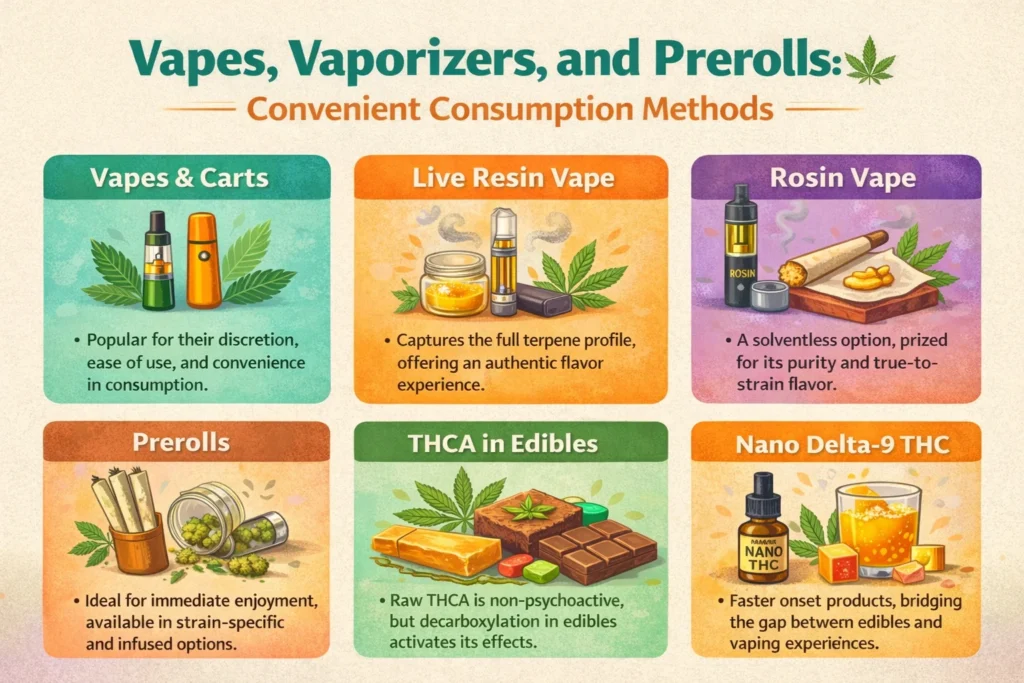
Vapes, Vaporizers, and Prerolls
Convenience is a major driver in the current market. Consequently, Vapes and carts have become incredibly popular because they offer discretion and ease of use.
- Live Resin Vape: Captures the full terpene profile of the fresh plant.
- Rosin Vape: In contrast, this is a solventless option prized for purity and true-to-strain flavor.
- Prerolls: These are perfect for immediate enjoyment. Usually, they are available in strain-specific options like Fruity Loops, while infused varieties offer an extra kick.
Edibles and Other Infused Products in THCA Companies
Interestingly, THCA itself is not psychoactive when eaten raw. Therefore, many THCA companies formulate edibles where THCA is decarboxylated. Sometimes, it is paired with other cannabinoids like Delta 8 or Delta 9 to create a specific effect. For example, Rosin Gummies offer a full-spectrum experience that lasts longer than inhalation. Additionally, the market has seen a rise in nano delta-9 THC products. These offer faster onset times, bridging the gap between edibles and vaping.
Navigating the Legal Landscape for THCA Companies
Understanding the rules is critical for both the business and the consumer. Because the regulatory environment is fluid, federal and state guidelines interact constantly. Consequently, THCA companies must stay agile to survive.
The 2018 Farm Bill and its Implications for THCA
To begin with, the Agriculture Improvement Act of 2018 (Farm Bill) opened the door. Effectively, it launched the entire hemp-derived THC industry. The bill defined hemp as cannabis with less than 0.3% Delta-9 THC. Thus, it created a distinction based on chemistry rather than biology. Since THCA is technically a different molecule, it fits within this federal definition. Nevertheless, stakeholders are closely watching 2024 and 2025 Farm Bill discussions. Potentially, these may introduce “Total THC” caps. Currently, the industry operates compliantly, but forward-thinking THCA companies are already preparing by diversifying into other compliant cannabinoids.
THCA Companies State-Specific Regulations and Restrictions
Although federal law provides a baseline, states have their own regulations. For instance, Washington DC has a unique landscape where cannabis gifting and I-71 compliant shops operate alongside medical dispensaries. Proudly, Highthere operates within this local framework. We ensure all products, including hemp wraps and exotic smalls, meet local safety standards. Conversely, some states restrict THCA explicitly. Therefore, it is vital for consumers to know the laws of their specific jurisdiction before ordering.
Understanding Total THC and Compliance
“Total THC” is a term often seen on a COA. Essentially, it is calculated using a formula: Total THC = (THCA x 0.877) + Delta 9 THC. While federal compliance for hemp relies on Delta-9 levels, the Total THC number gives a realistic idea of potency. This is what you experience after decaboxylation. Often, high-quality legal THCA flower will show low Delta-9, yet it has high THCA. As a result, the Total THC percentage rivals top-shelf marijuana.
Best Practices for Consumers: Shopping, Using, and Storing
To get the most out of your purchase, adopting a few best practices is recommended. In short, treat your hemp-derived products with care. By handling them like fine wine or fresh produce, you ensure a superior experience with products from THCA companies.
How to Shop for THCA
First and foremost, prioritize transparency when shopping. Always check the lab reports before purchasing. Specifically, look for explicit mentions of “Farm Bill Compliant”. Furthermore, ensure the product is sourced from expert farmers who use organic farms or sustainable practices. If you are in Washington DC, visit a reputable shop like Highthere. This approach allows you to inspect the product visually. Be sure to look for vibrant colors and check for dense trichome coverage before you buy.
Consumption Methods and Considerations
- Inhalation: Smoking or vaping is effective because it converts THCA to THC. Also, using a vaporizer allows for temperature control, which preserves delicate terpene flavors.
- Edibles: However, start low and go slow. This is because the effects of edibles can take time; specifically, it may take up to two hours to manifest.
- Raw Consumption: Alternatively, some health-conscious users add raw cannabis to smoothies. This method utilizes the anti-inflammatory properties of THCA without the high.
Storage for Potency and Freshness
Proper storage is essential to prevent degradation. Unfortunately, exposure to heat, light, and air is harmful. It can prematurely decarboxylate THCA into THC or degrade THC into CBN, causing drowsiness.
- Glass Jars: Ideally, store your flower in airtight glass jars.
- Cool & Dark: Then, keep containers in a cool, dark place. A cupboard or drawer works best.
- Refrigeration: Finally, this helps long-term storage of concentrates or rosin vapes. While refrigeration preserves volatile terpenes, ensure they return to room temperature before opening to prevent condensation.
THCA and Drug Tests: What You Need to Know
A common misconception exists that THCA won’t show up on a drug test. Regrettably, this is false. Since standard drug tests look for THC metabolites, and THCA converts to THC in the body, it is metabolized similarly. For more information on workplace testing standards, refer to SAMHSA’s drug testing guidelines. Therefore, consuming THCA flower, vapes, or edibles will result in a positive drug test. To remain safe, abstain from all forms of THC if testing is a concern, including hemp-derived variants.
Future Trends Impacting THCA Companies
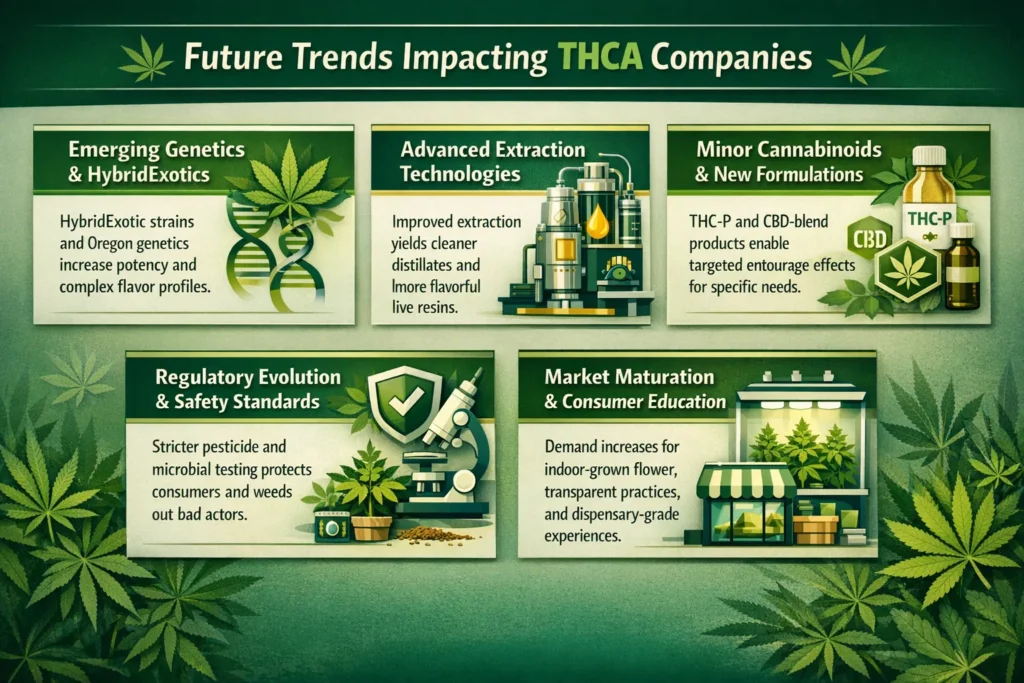
As the year 2025 approaches, the THCA market shows no signs of slowing down. Rather, innovation drives the sector. Consequently, THCA companies are moving toward more specialized products.
Emerging Products and Technologies
Currently, we are witnessing a surge in HybridExotic strains. Simultaneously, Oregon-grown genetics are pushing boundaries. As a result, potency and flavor profiles are improving. Moreover, extraction technologies are advancing, leading to cleaner distillates. This also results in more flavorful live resins.
In addition, minor cannabinoids like THC-P are being integrated. Likewise, CBD flower blends are becoming common. These blends allow for “entourage effect” formulations that target specific user needs like sleep or focus.
Evolving Regulations and Market Growth
The market is maturing rapidly. Therefore, we expect tight standards for pesticide screening. Additionally, microbial safety will be prioritized. This trend ultimately benefits the consumer by weeding out bad actors. Furthermore, the industry is moving away from “gas station” hemp. Instead, it is moving toward a dispensary-grade model.
For example, shops like Highthere in DC serve as trusted hubs that provide education and premium access. Data suggests consumers are becoming more educated. Consequently, the demand for indoor-grown flower is rising. Similarly, transparent cultivation practices are in demand. Ultimately, THCA companies will continue to drive pricing and quality standards upward.
Conclusion: Making Informed Choices in the THCA Companies Market
The world of THCA companies is vast and exciting. Truly, it offers a legal pathway to explore cannabis benefits. From the rich, earthy notes of Living Soil Exotic flower to the convenience of a preroll, options are endless. However, the responsibility lies with the consumer. You must choose reputable sources that prioritize safety. Above all, transparency and quality are non-negotiable. By understanding the science of decarboxylation, reading lab results carefully, and selecting established vendors like Highthere, you can navigate this emerging market with confidence. As the industry continues to evolve, staying informed ensures your journey with THCA is safe. Finally, it remains legal and thoroughly enjoyable.
Experience Premium THCA in DC
Ready to explore the best THCA companies have to offer? Visit Highthere in Washington DC for a curated selection of farm-bill compliant, lab-tested flower and edibles. Don’t settle for less; elevate your experience with our top-tier genetics today.
Frequently Asked Questions
Is THCA flower from THCA companies legal in Washington DC?
Yes, THCA flower is legal to purchase in Washington DC. Specifically, the district allows for the possession and gifting of cannabis products under Initiative 71. Moreover, hemp-derived THCA products are federally compliant under the Farm Bill. Therefore, you can find premium options at local establishments like Highthere.
Will using products from THCA companies make me fail a drug test?
Yes. Although THCA is a legal hemp derivative, your body metabolizes it into the same compounds as traditional marijuana. Because standard drug screenings detect these metabolites, you should avoid THCA products if you anticipate a drug test.
What is the difference between THCA and Delta-9 THC?
THCA is the non-psychoactive acidic form found in raw cannabis plants. Basically, it does not produce a “high” until heated. In contrast, Delta-9 THC is the active form that results from heating THCA. This is responsible for the intoxicating effects associated with cannabis.
How should I store my THCA flower to keep it fresh?
To maintain potency and terpene profile carefully, store your THCA flower in an airtight glass container. Also, keep it in a cool, dark place away from sunlight. Finally, avoid plastic bags for long-term storage since they can degrade the trichomes.